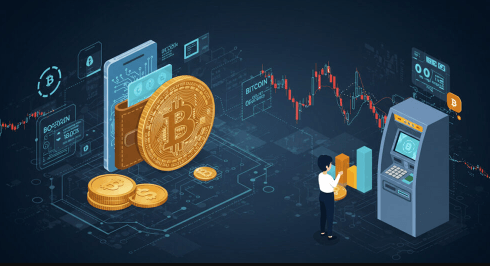
Crypto transaction fees function as incentives and signals within a network, shaping validation priority, security, and throughput. Fees arise from protocol design, demand, and congestion, and include gas costs, optional priority bids, and cross-chain considerations. Different blockchains employ various models, while Layer-2 and sidechains offer alternatives to reduce costs. Users can estimate and optimize costs through observable metrics and historical data, but evolving governance and market dynamics keep fee behavior uncertain, prompting continued scrutiny and careful participation.
What Are Crypto Transaction Fees and Why They Matter
Transaction fees in cryptocurrency are charges paid to validate and record transactions on a blockchain.
The topic clarifies that these fees function as incentives and security signals within networks, shaping user costs and network throughput.
It addresses transaction dynamics and fee governance, noting that governance structures influence fee levels, prioritization, and adaptability, while preserving orderly, transparent market behavior for freedom-minded participants.
How Fees Are Calculated Across Blockchains
How are fees determined across different blockchain systems, and what factors drive their variability?
Fees across ecosystems arise from protocol-design, supply-demand dynamics, and network congestion. Consensus mechanisms, block time, and transaction size influence cost, while cross chain bridging adds complexity via additional processing and validators. Rates fluctuate with usage, security assumptions, and liquidity, requiring transparent, standardized disclosures for compliant, informed participation.
Navigating Fee Models: Gas, Priority, and Layer-2 Solutions
Fee models in crypto systems are defined by three primary mechanisms: on-chain gas costs, transaction priority through fee bidding, and Layer-2 scaling solutions.
The analysis remains neutral and precise, outlining how the gas market operates and how priority bidding influences inclusion order.
Layer-2 options are presented as supplementary paths for efficiency, risk containment, and user choice within a regulated-clarity framework.
Practical Ways to Estimate, Minimize, and Time Fees
Estimating, minimizing, and timing crypto transaction fees requires a disciplined approach grounded in observable metrics and protocol rules. Practitioners deploy transparent methodologies, leveraging historical fee data and mempool activity to forecast costs. Two word discussion ideas emphasize clarity and discipline, while fee estimation remains a core competency. Systematic, rule-based decisions reduce volatility exposure and align spending with project timelines and compliance considerations.
See also: Data Analytics in Marketing Campaigns
Frequently Asked Questions
Do Transaction Fees Vary by Wallet Type?
Yes, wallet fees can vary by wallet type due to implementation choices. The answer notes that wallet fees respond to network congestion, and differ in fee structure, prioritization, and recommended tips for users seeking freedom in transactions.
Can You Profit From Fee Fluctuations by Timing Trades?
Profitable timing can influence outcomes, but fee volatility does not guarantee consistent profit; market unpredictability and liquidity risk remain. The analysis highlights cautious strategies, disciplined monitoring, and regulatory-compliant practices to navigate fee volatility and seek favorable execution.
How Do Fee Models Differ for Decentralized Vs Centralized Exchanges?
Decentralized pricing differs from centralized arbitrage through on-chain fees and dynamic, transparent models, while centralized platforms use off-chain routing and maker-taker structures; each affects liquidity, speed, and predictability for freedom-seeking participants.
Are There Universal Fee Benchmarks Across All Networks?
There are no universal fee benchmarks across all networks. Specific networks vary by structure, settlement speed, and governance. For users seeking freedom, advantages arise from low latency, transparent pricing, and secure storage with hardware wallets.
What Future Developments Might Drastically Lower Fees?
Future fee reduction could arise from scalable plasma implementations and layer-two optimizations, enabling faster settlement and lower costs. Regulators emphasize safety and transparency, while proponents seek greater freedom through interoperable, efficient networks that preserve security and user choice.
Conclusion
In sum, transaction fees function as both market signal and tax on whim, guiding validators and gatekeeping liquidity with surgical precision. Regulators would applaud the transparency of gas metrics, if only they could untangle the meme-driven chaos from the ledger. For users, timing and data become compliance headphones: listen to mempool chatter, minimize costs, and pretend you’re budgeting for the next epoch. The system remains efficient only when fees pretend to be predictable, yet never quite decently so.
